

Key Points:
- Trauma Lives in the Body: Traumatic experience isn’t only a memory; it changes how the nervous system responds to threat, leaving people stuck in states of hyperarousal or shutdown.
- The Brain Under Threat: Draws on neuroimaging to show how trauma affects the amygdala, the prefrontal cortex and the brain’s capacity for language and self-awareness.
- Developmental Trauma: Argues that chronic childhood abuse and neglect shape development and are widely misdiagnosed.
- Paths to Recovery: Surveys approaches beyond talk therapy, including EMDR, yoga, neurofeedback, theater and internal family systems, that help people feel safe in their bodies again.
Summary:
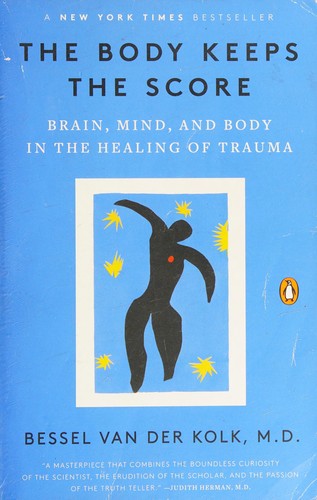
“The Body Keeps the Score” by psychiatrist Bessel van der Kolk, published in 2014, draws on decades of clinical work and research to explain how trauma reorganizes the mind and body. Van der Kolk shows that overwhelming experiences leave a physical imprint, altering stress responses, perception and the ability to feel present and connected.
The book moves from the science of trauma to its treatment, arguing that recovery requires more than understanding what happened. Healing means restoring a sense of safety and agency in the body itself, through practices that engage sensation, movement, rhythm and relationships.

